7562 U.S. 9
Red Hook, NY 12571
(845) 758-1920
The Place for Our Unfolding Stories
Your Custom Text Here

Your Custom Text Here
New Exhibit! Plan Your Visit

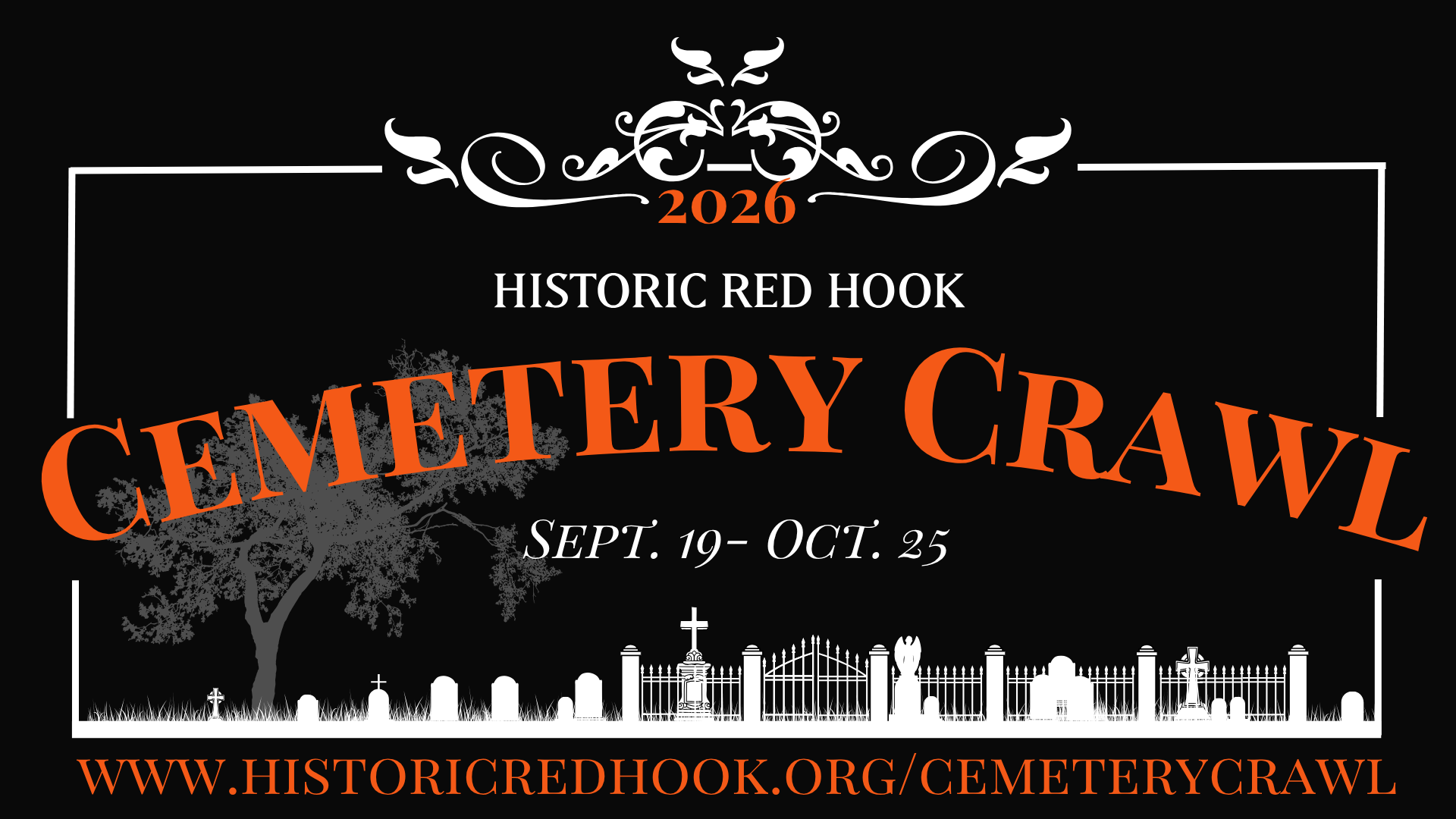
Start Crawling

Explore Local History
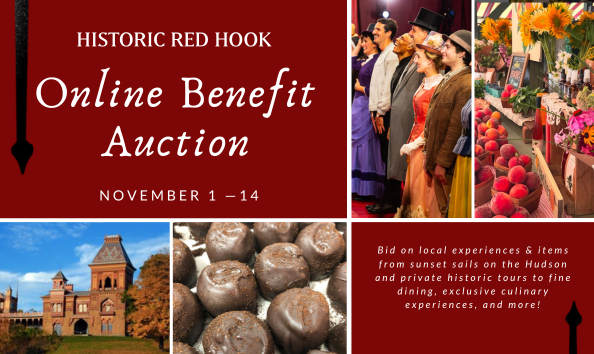
Support local history by bidding on unique local items and experiences, including tours private historic homes and hands on workshops! Learn More.
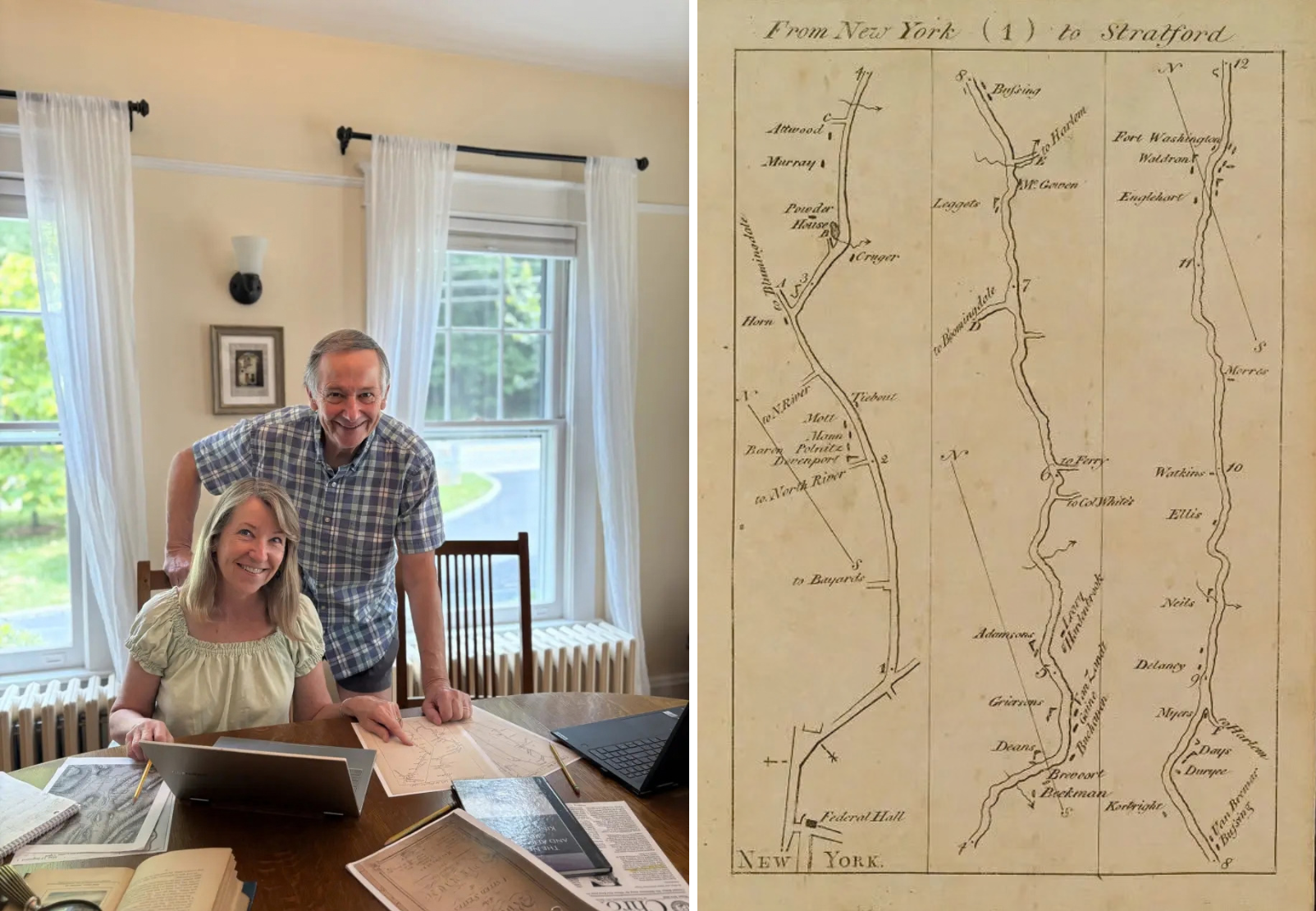
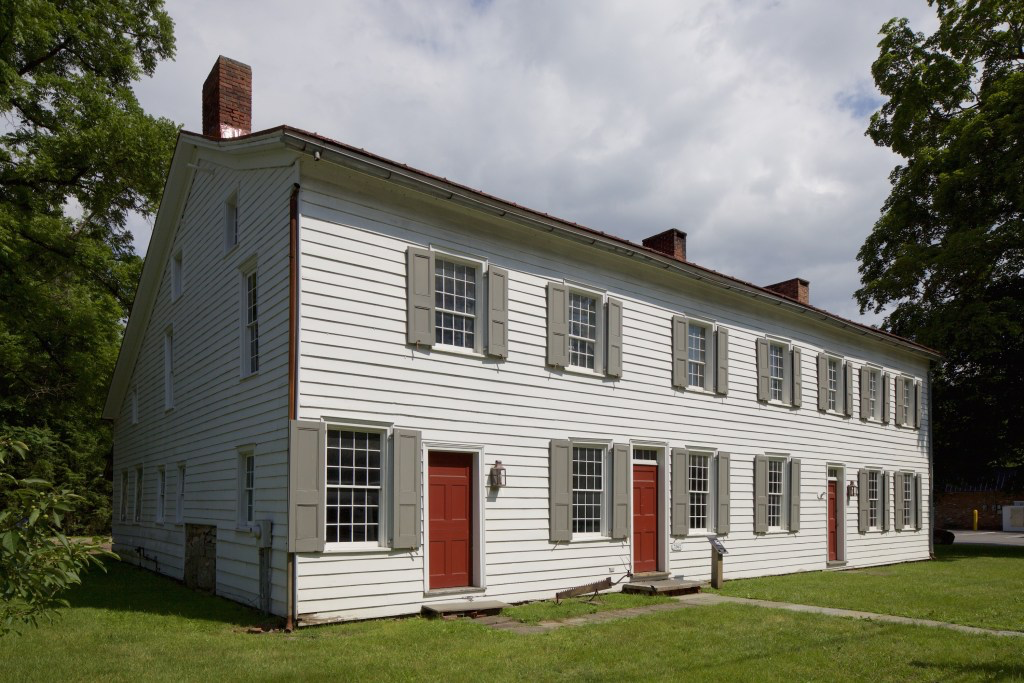
The Elmendorph Inn has stood along the Albany Post Road for more than two centuries—but it is only one stop along a much larger historic route. Join researcher and author Bruce Graves for a journey along the old Albany Post Road, following the surviving buildings, landscapes, milestones, and stories that trace the route from New York City north toward Albany. Learn More.
The Elmendorph Inn looks its festive best for the holidays. Historic Red Hook invites you to enjoy live holiday music, hot mulled cider, homemade cookies, and fresh-baked treats from the beehive oven!
By Nancy Bendiner
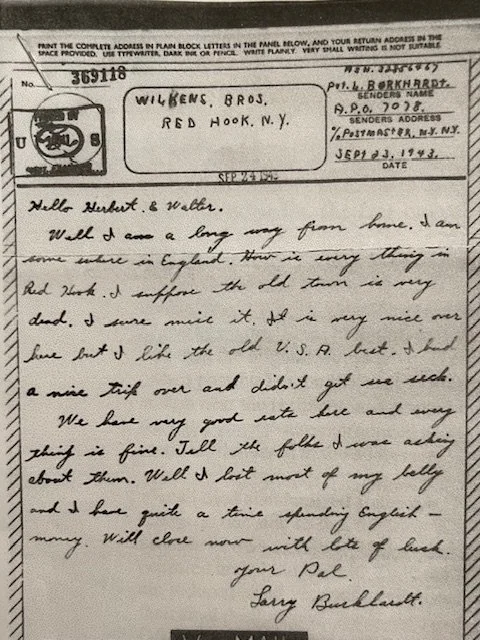
Nancy is a longtime member of Historic Red Hook and a dedicated volunteer with its Collections Committee. In this two-part article, she explores letters, diaries, and journals preserved in Historic Red Hook’s archives, using the words of past residents to illuminate wartime experiences, family life, work, community, and the changing ways people have communicated across generations. (Find part one here).
Letters and diaries in the Historic Red Hook collections preserve many details of everyday life—family relationships, meals, illness, work, churchgoing, and social visits.
“Nov. Tuesday 18th. This day, Mary E. would have been seventeen years old, had she lived. But alas she is gone never more to return. Will she see the everliving now? Her eyes are forever closed to all earthly things and she is lost from our sight. Beloved sister, are you gone forever, no more to return?”
— Entry into journal, Louisa Mead, 1823
By Claudine Klose, Chair, Collections Committee
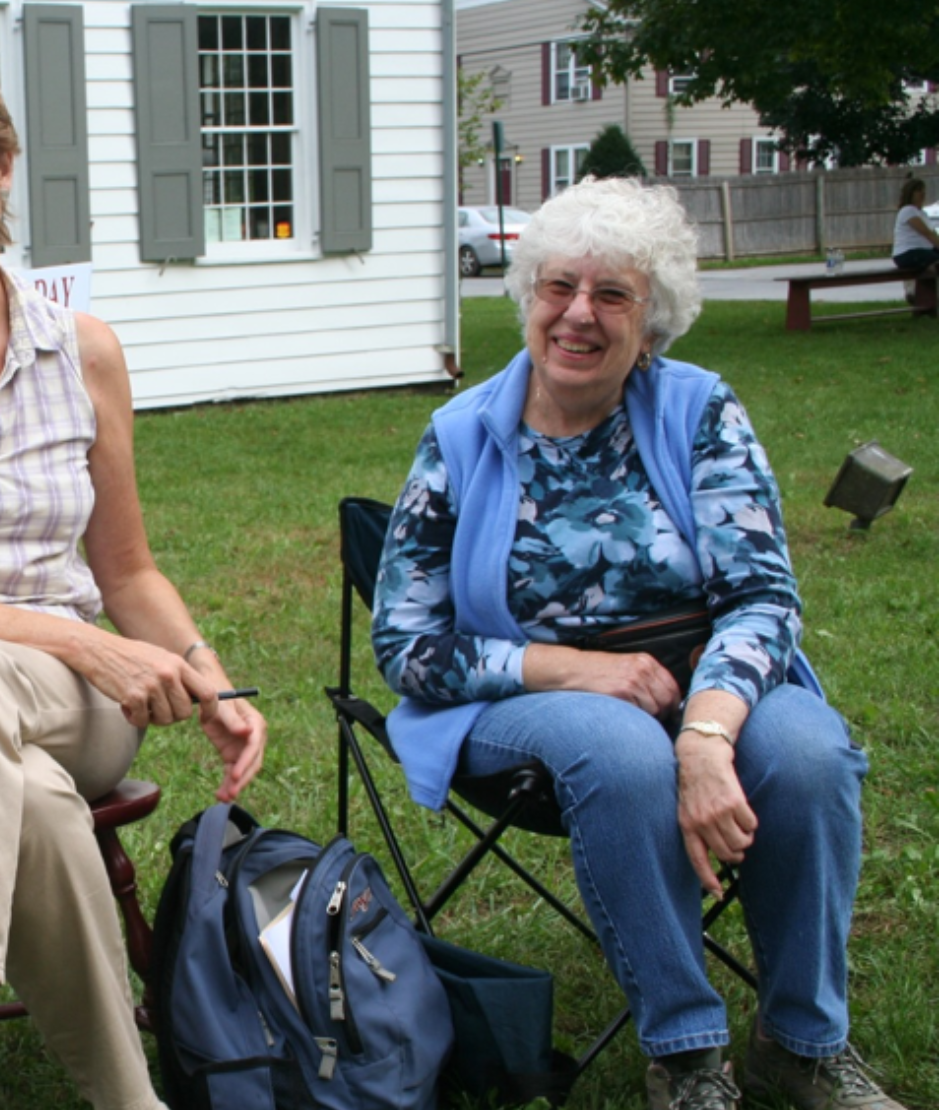
I met Patsy in 2010, soon after moving to Red Hook full time, when I ventured upstairs at the Elmendorph Inn to visit the Archives Room. There, Barbara Bielenberg, Bobbie Thompson, and Patsy Vogel, longtime volunteers for Red Hook’s Egbert Benson Historical Society, held forth. They invited me to be on the EBHS Board, and Patsy urged me to get involved in planning the celebration of the Town of Red Hook’s 200th birthday in 2012. She was charming and persuasive. I couldn’t say no. That began a friendship that sadly ended with Patsy’s death this summer, on July 13.
By Nancy Bendiner
Nancy is a longtime member of Historic Red Hook and a dedicated volunteer with its Collections Committee. In this two-part article, she explores letters, diaries, and journals preserved in Historic Red Hook’s archives, using the words of past residents to illuminate wartime experiences, family life, work, community, and the changing ways people have communicated across generations.
On July 28, 1863, Thomas Fraleigh of Red Hook wrote the following letter to his wife Hannah:
“Dear Wife,
You must be very anxious by this time to here [sic] from me as to my welfare. We are now after a long series of marches in which we’ve passed through Maryland and Pennsylvania and are now in Virginia how different the soil is. Here everything wears a poverty stricken aspect farms——-(indecipherable) house built of logs and with large stone chimneys on the outside. The homes are small and most all of the houses have been burnt and riddled by the Rebels.”
He went on to describe the illnesses of his regiment possibly due to “the last week we’ve had awful water muddy and scarce fit for a horse to drink.”
By Ellen C. Phelan
Ellen is a longtime Historic Red Hook member and Elmendorph Innkeeper. She helps welcome and support those who rent the Inn, and she recently made a surprising personal discovery connecting her to one of the Elmendorph’s original innkeepers.
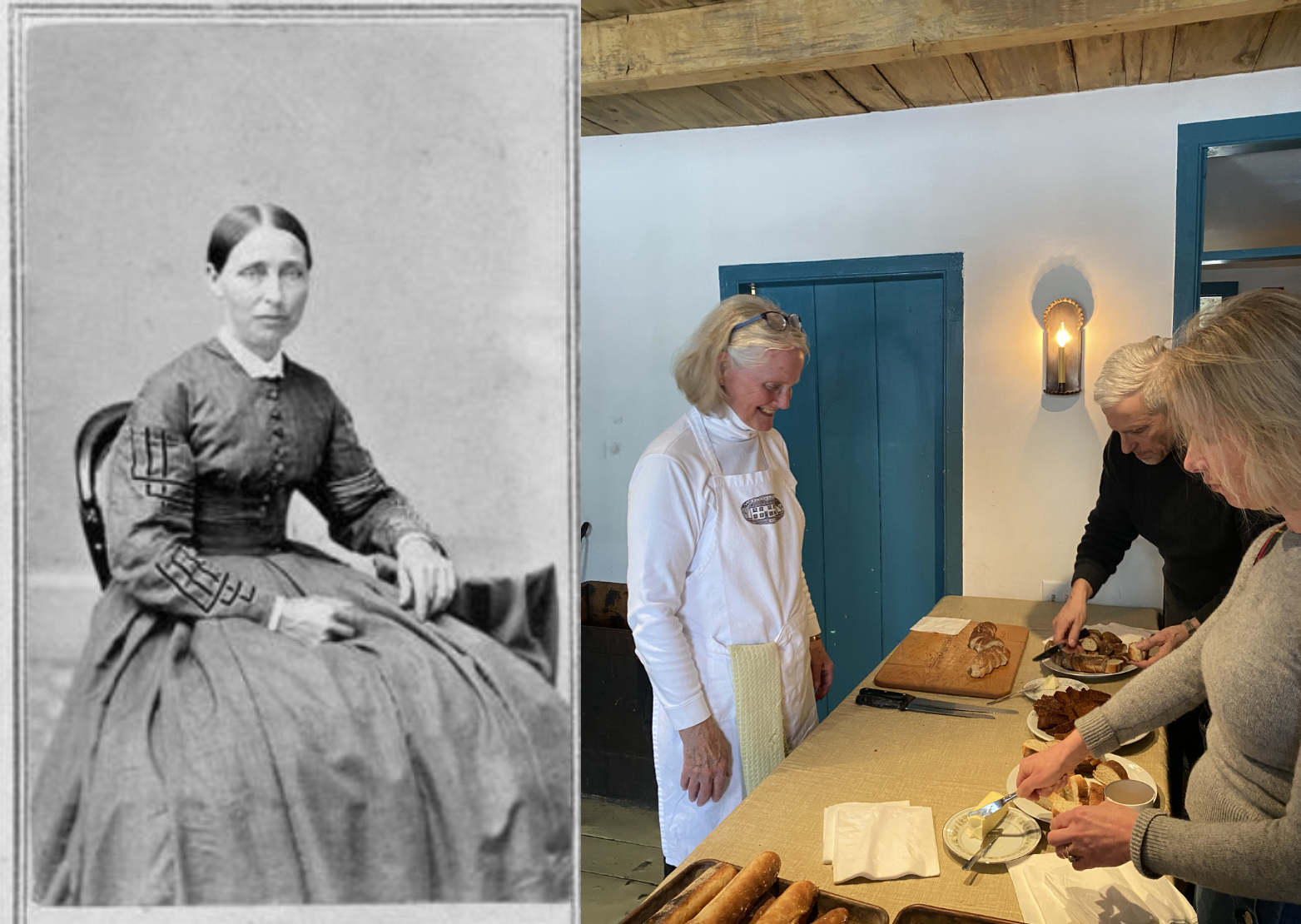
My sister-in-law recently sent me an email with information about a long lost relative, Julia Elmendorf. This was an especially interesting and fun fact because I am currently the Innkeeper at the Elmendorph Inn and I wondered – “What are the chances that a distant relative was also an innkeeper at the Elmendorph Inn?” Could I be related to our beloved Cornelius Elmendorph, the first (second?) innkeeper? (or...the man the Friends of Elmendorph named the renovated inn after).
Historic Red Hook is a 501(c)3 charitable organization. Tax ID#14-1664696
845-758-1920 | info@historicredhook.org