

This December, Historic Red Hook completed a major milestone: our new Historic Site Interpretive Plan for the Elmendorph Inn. An interpretive plan is the backbone of how a historic site shares its stories—guiding programming, exhibits, and communication—so we can make smart choices about what we present and how. This plan sets the direction for developing the Elmendorph Inn as a visitor-friendly, experiential historic site and community “home for history,” with the ultimate goal of opening the Elmendorph Inn regularly with weekly open hours for tours and annual school field trips.
How the plan came together (and how our community shaped it)
This plan grew out of a year-long process that combined community input, on-site visitor feedback, historical research, and board/staff review—so the final direction reflects the desires of our members and neighbors.
Highlights of the process included:
Stakeholder workshop: The project launched in Fall 2024 with Michelle Moon of Saltworks Interpretive Consulting and 60 community stakeholders—including members, volunteers, and local leaders— to help shape high-level priorities.
Visitor feedback in real time: We gathered informal “what do you want to see here?” input at events at the Inn and in the community including the Holiday Open House, Soup Night, Apple Blossom Day, and more.
Expert roundtables: We held three advisory conversations with historians, educators, and community leaders to deepen the plan’s content and approach.
Draft and revise: A draft framework was shared with board/staff, feedback was gathered, and the plan was finalized.
What we heard
Across events, we heard a consistent message: people recognize the Elmendorph Inn as an iconic building in Red Hook, but many aren’t sure what it is, what happens inside and when it is open. That’s exactly what this plan is designed to fix, with clearer interpretation and more visible, welcoming experiences.
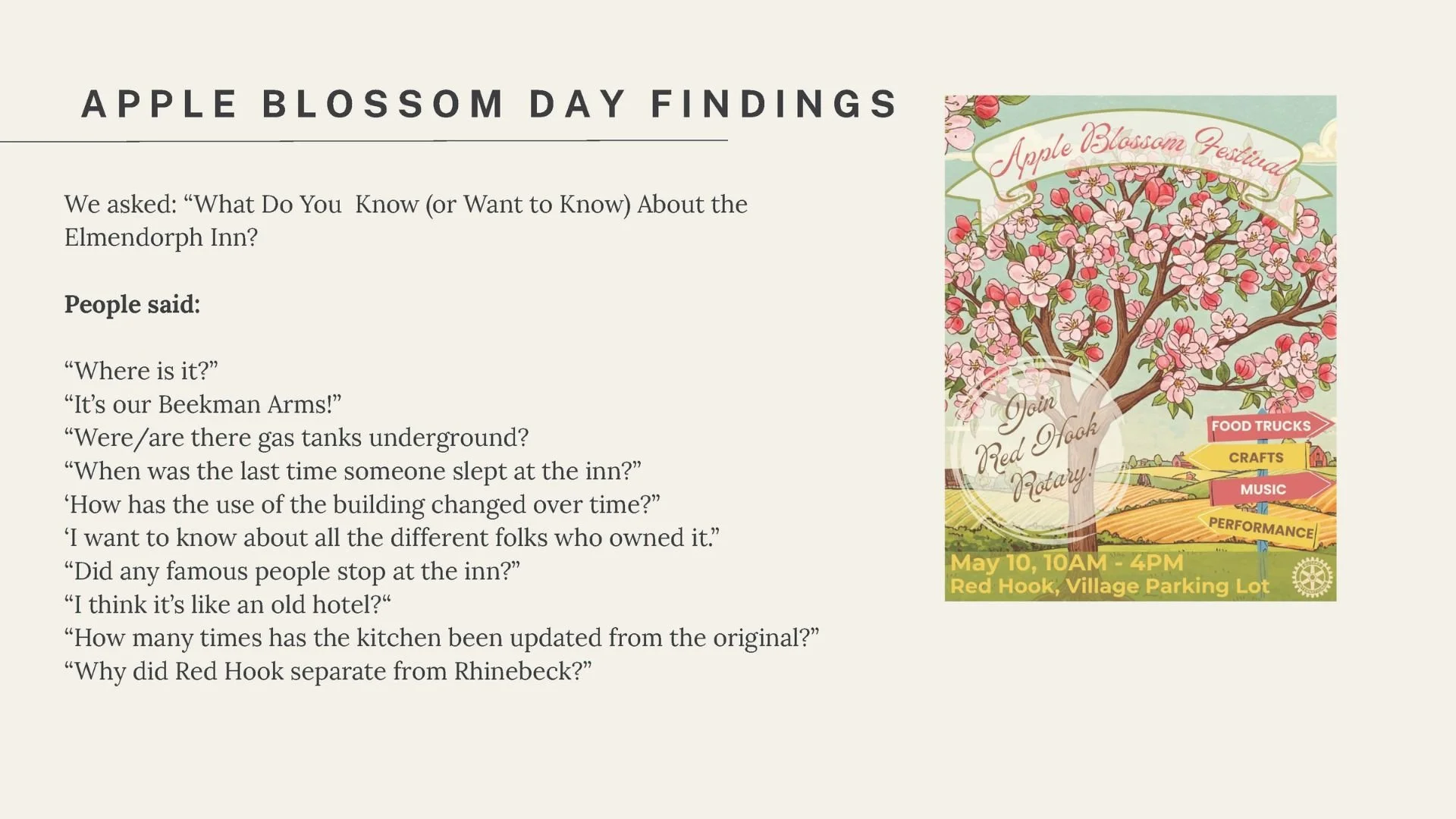
At Apple Blossom Day, people asked things like: “Where is it?”, “It’s our Beekman Arms!”, and “How has the use of the building changed over time?”
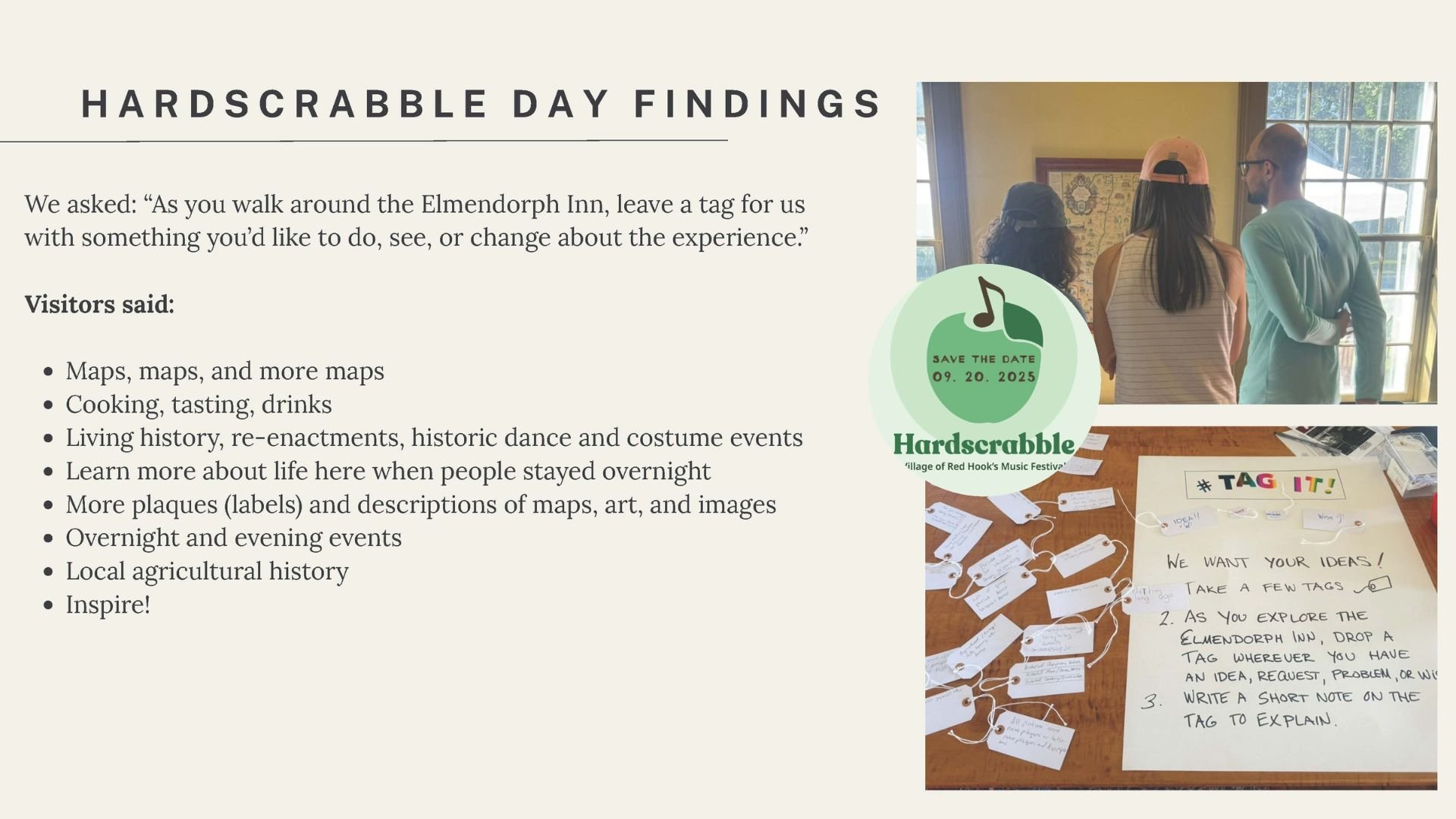
At Hardscrabble Day, visitors asked for more interactive, immersive experiences at the Elmendorph Inn—especially maps, food and drink, living history, clearer interpretation, and programming that brings everyday life and local agriculture to life.
The Big Idea (the guiding principle for moving forward)
Over its 250+ years, the Elmendorph Inn has served the community’s changing needs. Inspired by its decades of operating as an inn, today the Elmendorph is akin to the community’s living room and kitchen table—a gathering place that brings people and ideas together for powerful conversations.
That “gathering place” idea is the heart of the plan: the Inn’s history isn’t just something to look at—it’s something to use, enter into, and continue.
What we will interpret
This plan commits Historic Red Hook to interpreting all of Red Hook’s past, not just a narrow “colonial” slice—focusing on how change was experienced by real local people from the 1700s through the 20th century and today.
Two interpretive goals:
We will present stories about poor, working, and middling people, filling gaps left by the region’s many preserved manors and elite homes.
Our programs and exhibits will explore all eras and uses of the Elmendorph Inn, emphasizing its time as a working inn and tavern with a significant role in town life.
Four Main Themes
These four themes are the pillars that will guide exhibits, tours, programs, and even how we use rooms inside the Inn.
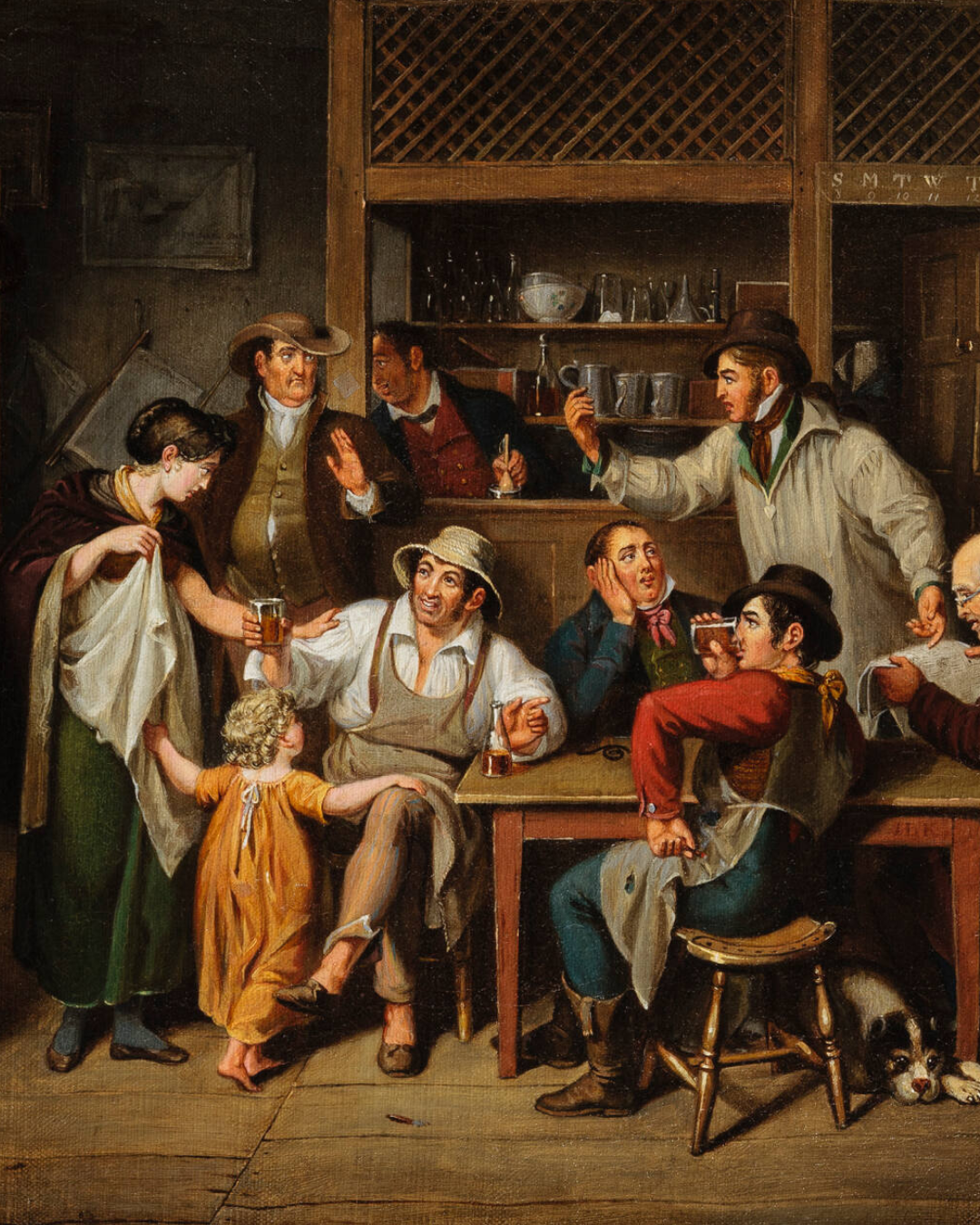
Welcoming Inn
The Elmendorph Inn is our most iconic artifact, so the building itself—its structure, uses, and sense of welcome—sits at the center. We’ll interpret architecture and restoration, the business of a stage-road tavern, and daily life for guests, workers, and owners.
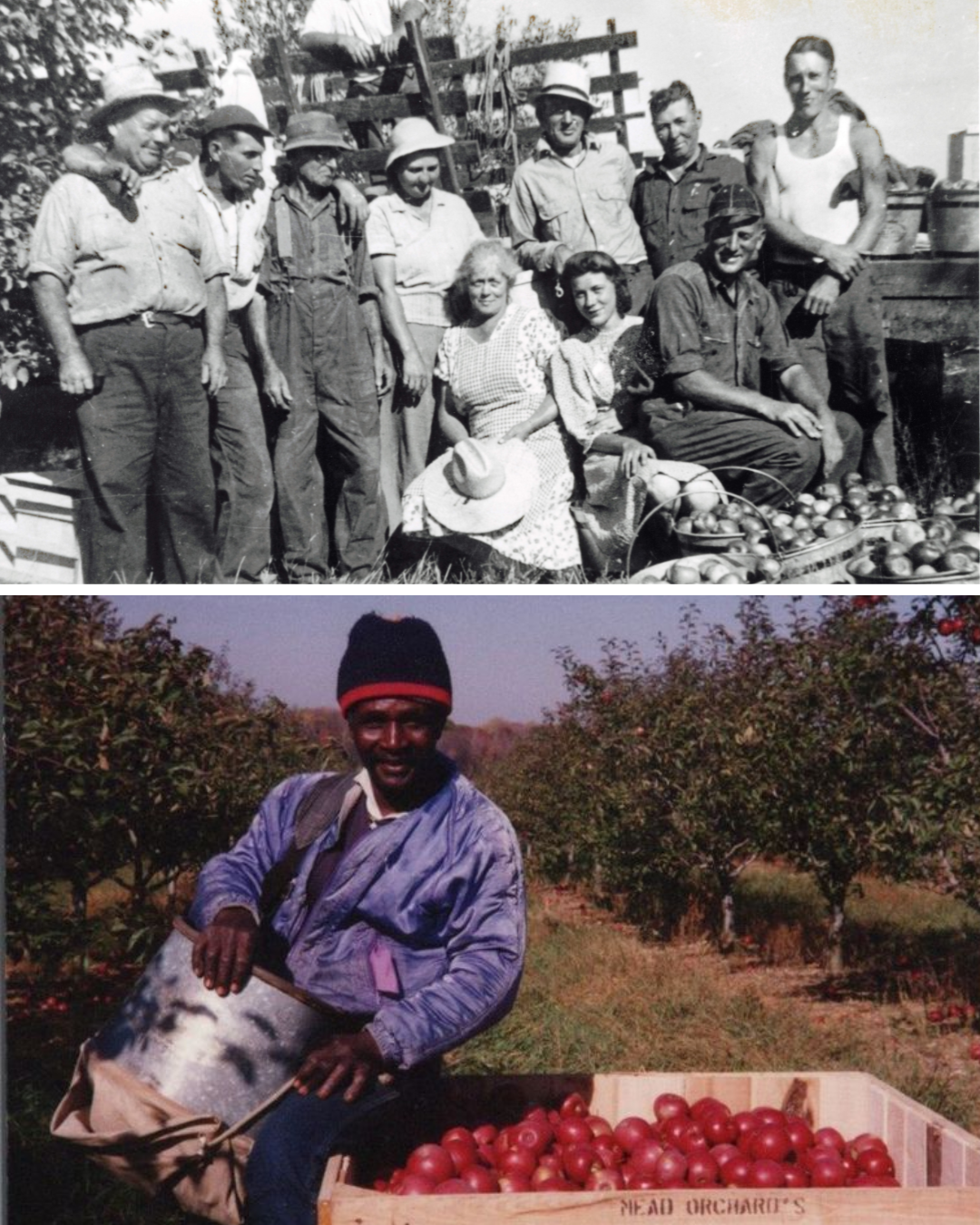
We Are Red Hook
“We Are Red Hook” will help visitor locate themselves in time and place by tracing the forces that shaped the community. It foregrounds Indigenous presence and cultures, colonial-era land and labor of everyday people, and the town’s changing population through the 19th–21st centuries.
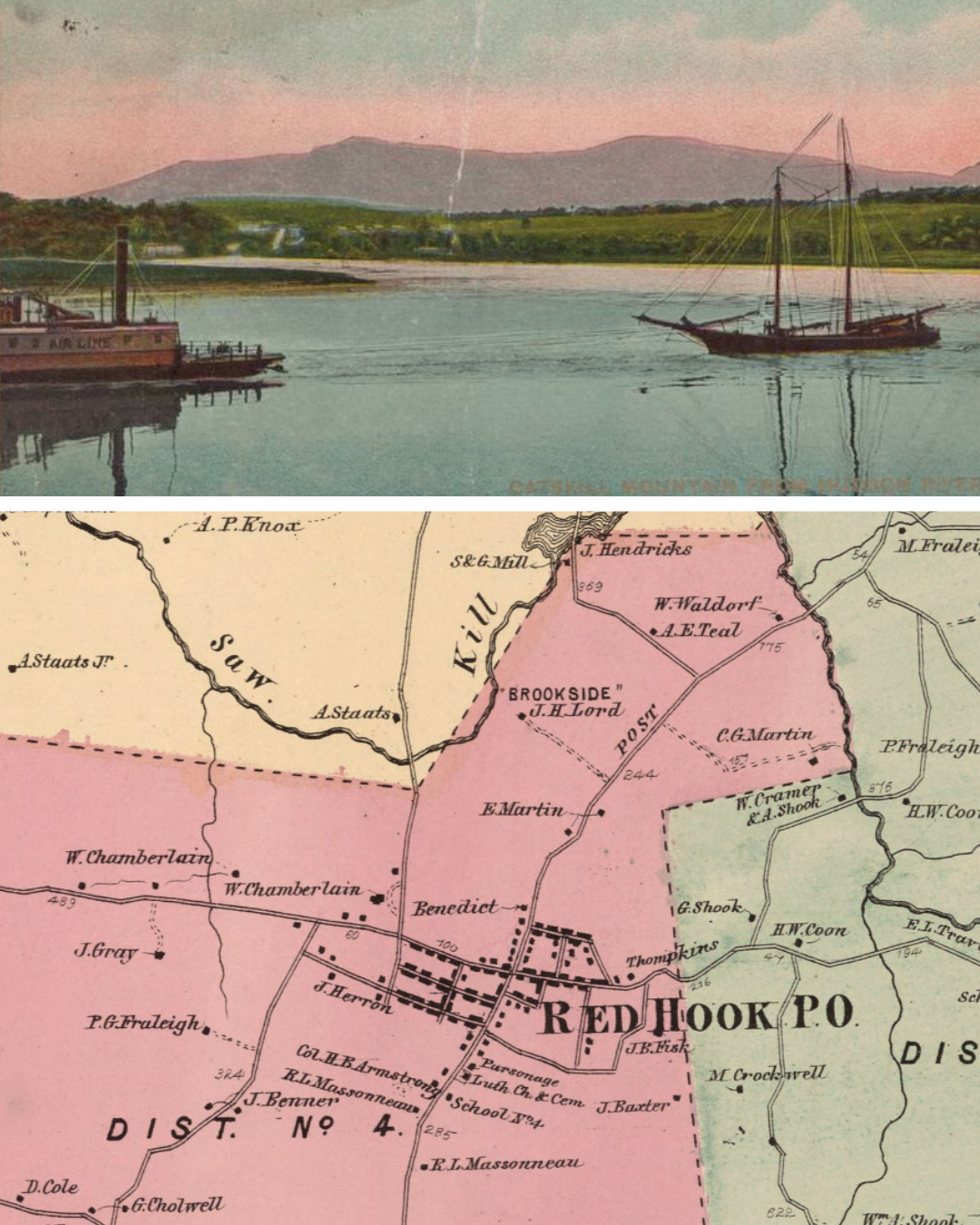
The Lay of the Land
Red Hook’s story is inseparable from the river, soils, and farming landscape that guided development and still shape life today. This theme explores environmental history, Dutchess County’s agricultural rise, and how maps, transportation, shipping, and exchange networks moved people and goods.
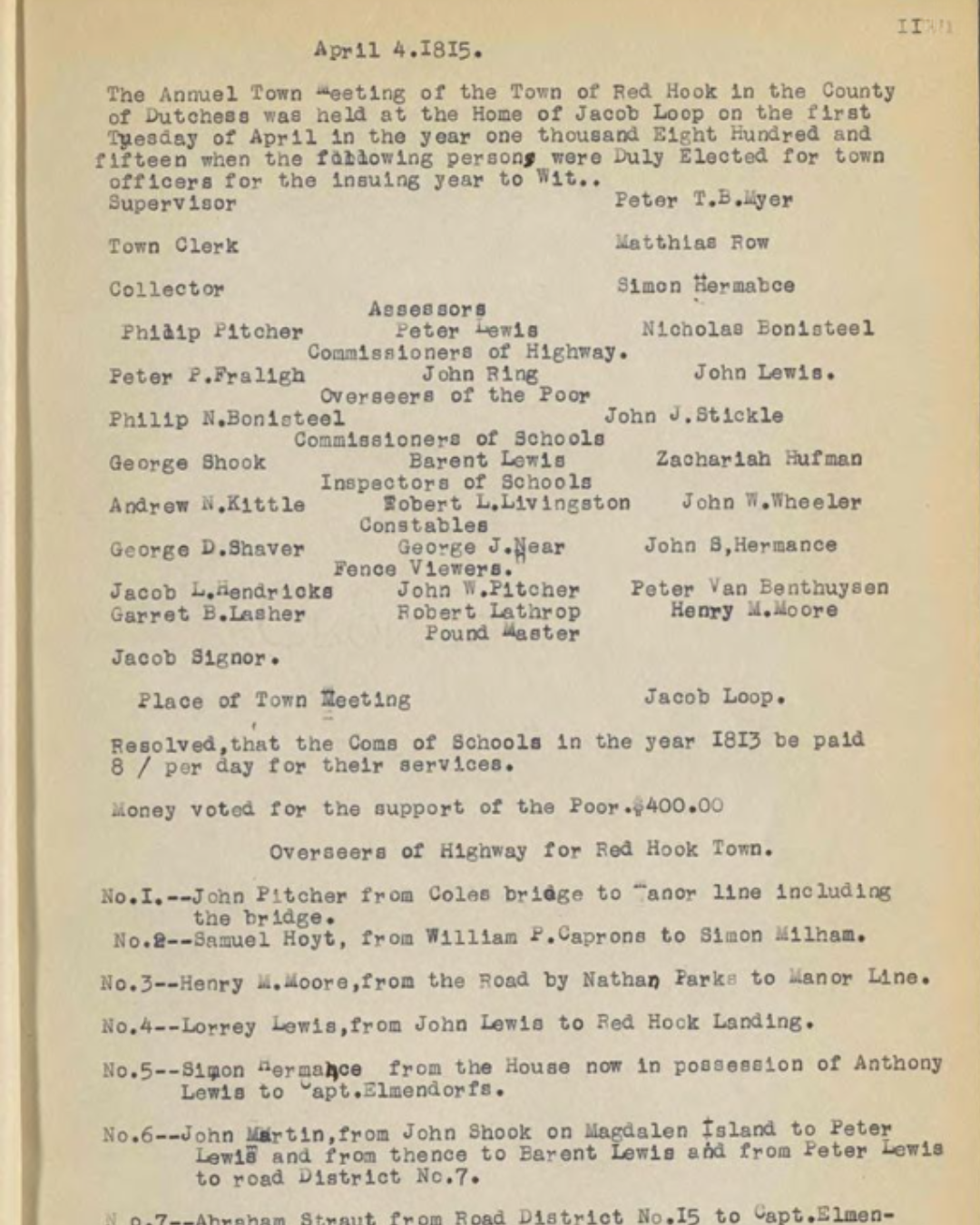
Civic Springboard
Before town halls and courthouses, taverns were civic infrastructure—and the Elmendorph hosted meetings, courts, entertainment, fairs, and debate. This theme celebrates the Inn as a “third place” that helps people associate across divisions, and invites visitors to reflect on civic life today.
A Living Building (not a “do not touch” museum)
A big value we heard from the community—and share ourselves—is that the Elmendorph should continue to feel like a gathering place. We’re committed to keeping the Inn usable for community programs like Soup Night and Chili Night, meetings, and rentals, while also making the history more visible and legible when you’re inside.
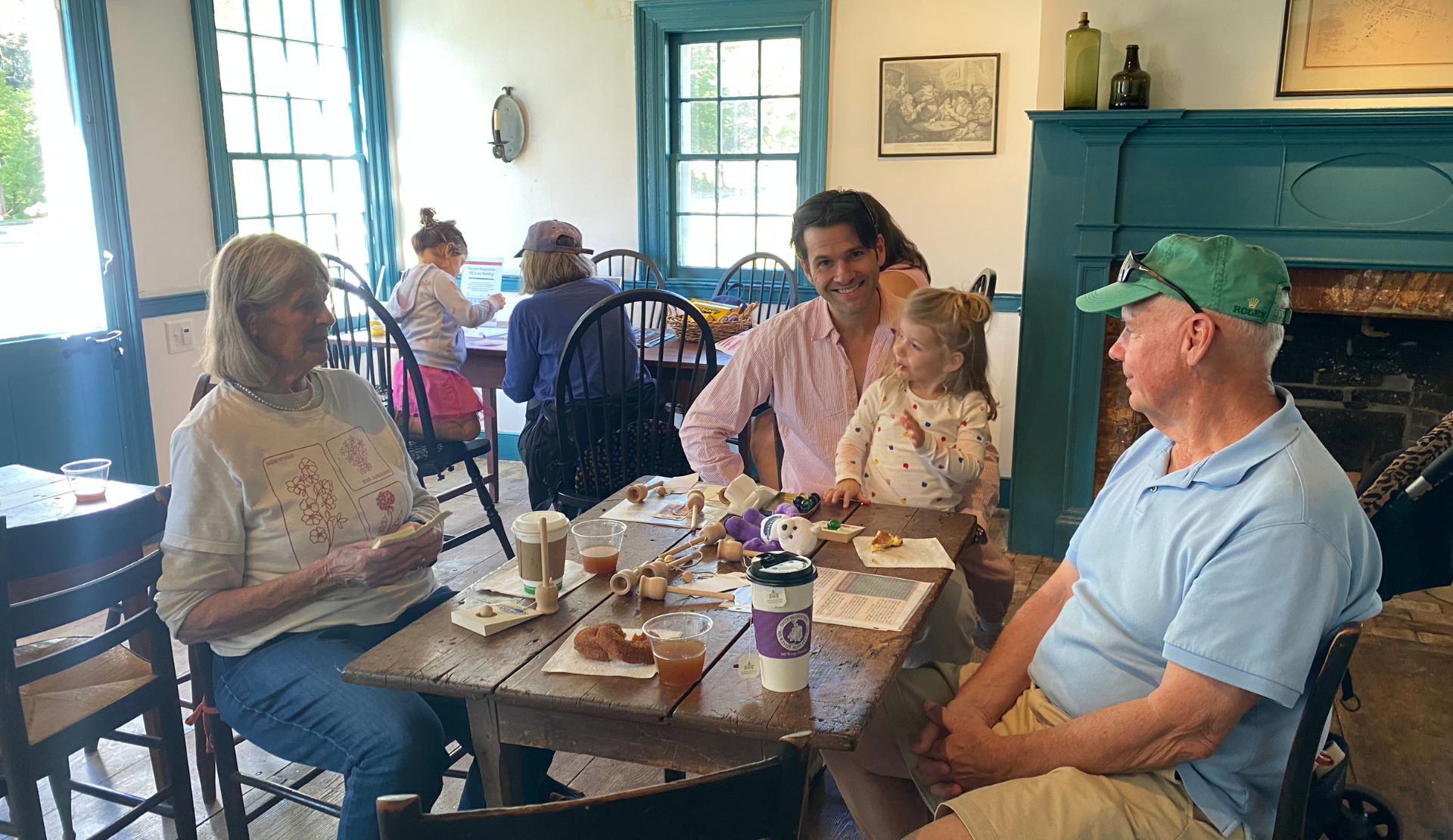
That’s why the plan explicitly treats Historic Red Hook and the In as “multi-modal”—our programs and space can flex to serve different needs at different times. Interpretation in key rooms will be designed to be modular, movable, and adaptable so elements can be stored away when needed, or brought out when we want visitors to engage deeply with the story of the building.
What we’re working on this year
Now that the Interpretive Plan is complete, we’re moving into Phase II: creating a detailed Visitor Experience & Exhibit Plan for the Elmendorph Inn. This will translate the big idea and themes into a room-by-room plan for interpretive signage, objects, and interactives—and we’ll prototype pieces of it during 2026 community events.
Ways to be involved
If you’ve been curious about what happens behind the scenes, this is a great time to jump in. In Phase II, the Interpretive Planning Committee will be brainstorming and making decisions about interpretive methods and experiences for each space in the Inn—and members are welcome to sit in on planning conversations.
Sit in on a planning meeting: Email director@historicredhook.org for the date of the next meeting.
Help make implementation possible :Visit www.historicredhook.org/a-museum-for-red-hook to learn how you can support exhibit planning and interpretive elements.
Share your ideas one-on-one: Want to talk it through? Email director@historicredhook.org to make an appointment to meet with Elisabeth Tatum and share your thoughts.