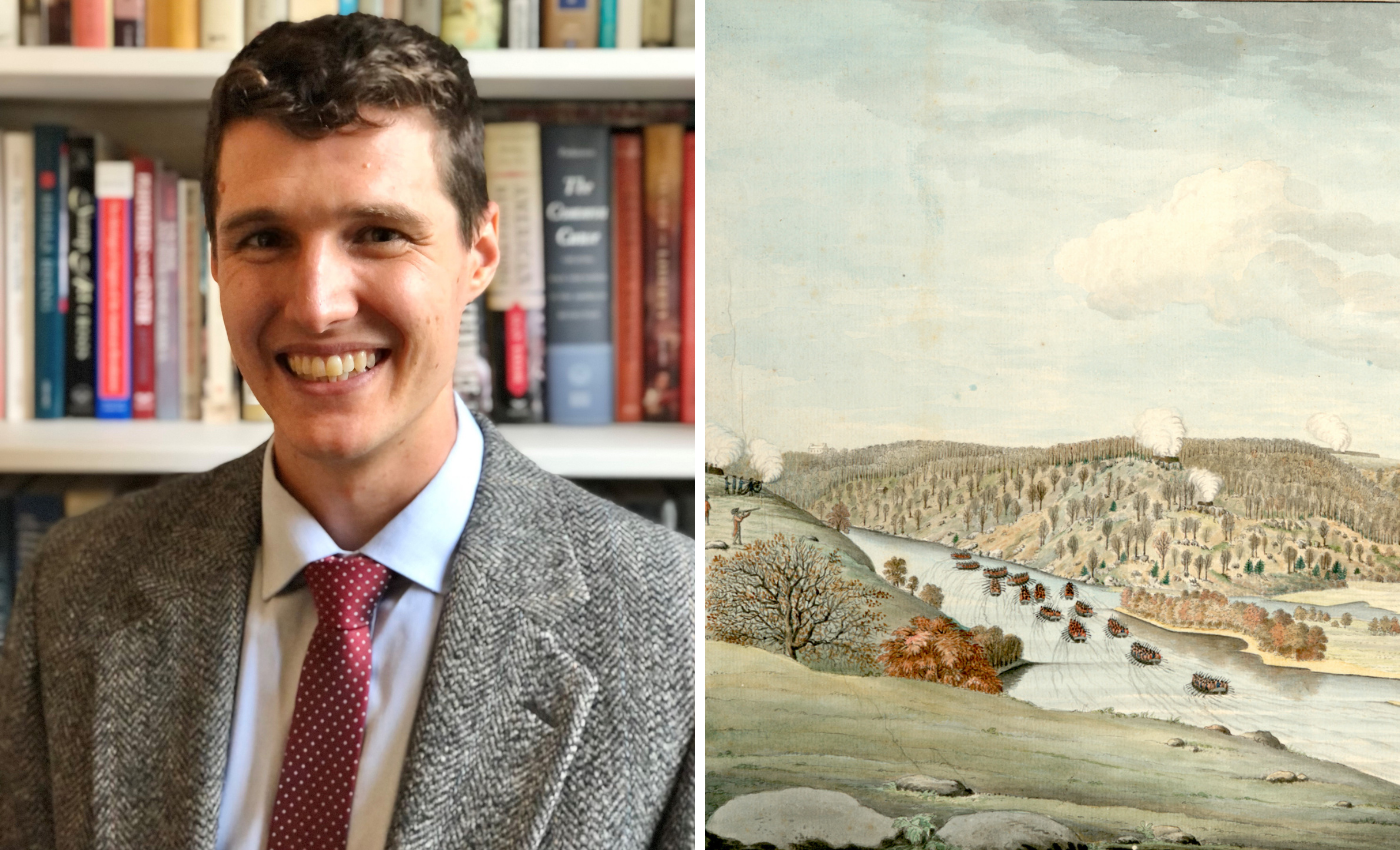
In the early nineteenth century, taverns were famously places for white men to drink, exchange the news, or rest after a long day's travel. Enterprising white men also visited local and wayside taverns to promote innovative businesses, cultivate social capital, and rally support for favored causes. Yet white men did not have taverns to themselves, because work, travel, and activism brought some white women and free Black men and women to taverns, and even indentured and enslaved people sometimes used taverns for their own ends. Because taverns were heavily scrutinized public places and often hosted elections and other government business, when diverse Americans vied for control over taverns, they helped shape the meanings and boundaries of citizenship in the nation itself. Join us and Dr. Kirsten E. Wood for our last program this fall on the Revolution’s impact in Dutchess County and the evolving cultural landscape of the Hudson Valley. Learn More.